

The world of UI design is constantly evolving, with new trends emerging that shape how we interact with digital products. As we move through 2026, several exciting trends are taking center stage, promising to redefine user experiences across platforms.
1. Immersive 3D Elements
Three-dimensional design elements are becoming increasingly prevalent in UI design. From subtle depth effects to fully interactive 3D models, designers are leveraging advances in web technology to create more engaging and immersive experiences.
The key is to use 3D thoughtfully - not every interface needs it, but when applied strategically, it can significantly enhance user engagement and brand perception.
"Design is not just what it looks like and feels like. Design is how it works."
- Steve Jobs
2. AI-Powered Personalization
Artificial intelligence is revolutionizing how interfaces adapt to individual users. Smart UI systems can now learn user preferences and behavior patterns to deliver highly personalized experiences that feel natural and intuitive.
This trend goes beyond simple customization - we're seeing interfaces that proactively anticipate user needs and adjust in real-time.
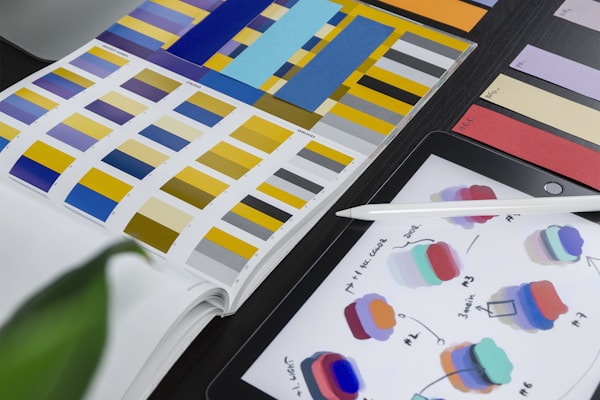 AI-powered interfaces adapt to user behavior in real-time
3. Micro-Interactions and Haptic Feedback
Subtle animations and haptic responses are becoming essential tools for creating delightful user experiences. These micro-interactions provide immediate feedback, guide users through tasks, and add personality to digital products.
4. Sustainable and Accessible Design
Designers are increasingly conscious of the environmental impact of their work. This includes optimizing for energy efficiency (dark modes, reduced animations on battery-saving modes) and ensuring accessibility for all users.
- Dark mode as default for energy savings
- Reduced motion options for accessibility
- Optimized images and assets for faster loading
- WCAG 2.2 compliance as standard practice
5. Glassmorphism Evolution
The glassmorphism trend continues to evolve, with designers finding new ways to implement frosted glass effects that create depth and hierarchy without sacrificing readability or performance.
6. Variable Fonts and Dynamic Typography
Typography is becoming more expressive with variable fonts that can smoothly transition between weights, widths, and styles. This allows for more responsive and adaptive typography that maintains visual harmony across devices.
7. Voice User Interface Integration
As voice assistants become ubiquitous, designers are finding creative ways to integrate voice interactions into visual interfaces, creating multimodal experiences that cater to different user preferences and contexts.
8. Neumorphism Refinement
Neumorphism has matured from a fleeting trend to a refined design approach. When used sparingly and with proper contrast considerations, it can create elegant, tactile interfaces that stand out.
9. Data Visualization Innovation
Complex data is being presented in increasingly creative and accessible ways. Interactive charts, animated infographics, and AR-enhanced data displays are making information more digestible and engaging.
10. Emotional Design and Delight
Finally, there's a growing emphasis on creating emotional connections through design. This includes thoughtful copywriting, playful illustrations, and moments of delight that make digital experiences memorable.
Conclusion
The UI design landscape in 2026 is characterized by a balance between technological innovation and human-centered design principles. As designers, our challenge is to adopt these trends thoughtfully, always keeping the end user's needs at the forefront of our decisions.

Comments (12)
Sarah Johnson
January 16, 2026Great article! I'm especially excited about the AI-powered personalization trend. It's amazing how far we've come in creating adaptive interfaces.
Emily Parker Author
January 16, 2026Thanks Sarah! AI personalization is definitely one of the most impactful trends. The key is implementing it in a way that feels helpful rather than intrusive.
Michael Chen
January 17, 2026The sustainable design section really resonated with me. As developers, we need to be more conscious of our environmental impact.
Leave a Comment